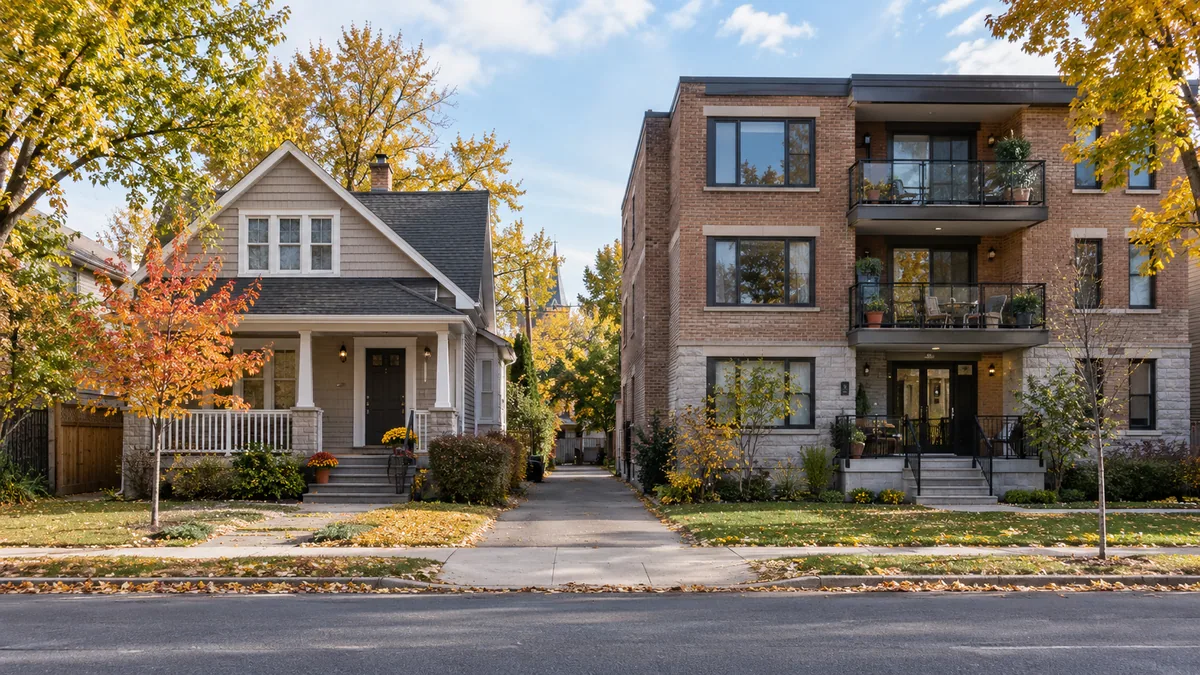
Rent is only part of your monthly budget. Add utilities, parking, travel and any upkeep you pay for. Two homes with the same rent can have different total costs.
Use the dated Ottawa rent figures below as a starting point. Then check the bills for each home you are considering.
Use rent figures as a starting point
CMHC's 2025 Rental Market Report lists the average rent for a two-bedroom purpose-built rental apartment in the Ottawa area at $1,926. The same report lists the average two-bedroom rental condominium at $2,503. These are survey averages for two different apartment markets, not today's asking rent for every available unit.
A listed apartment may cost more or less than the average because of location, age, condition and what is included. These two-bedroom apartment figures do not cover houses or townhouses. Compare current listings for the home type and area you need.
- 2025 Ottawa purpose-built two-bedroom average: $1,926 per month
- 2025 Ottawa rental-condominium two-bedroom average: $2,503 per month
- Source: CMHC 2025 Rental Market Report, reviewed July 29, 2026
Check the rent and what it includes
Ontario's standard lease separates base rent from any separate charges for services such as parking or storage and records which utilities are included. Read the complete amount and payment schedule. A phrase such as "utilities extra" is not detailed enough for budgeting; ask about heat, electricity and water individually.
Confirm whether parking, a locker, air conditioning, laundry or other services have separate recurring charges. Compare the written lease with the listing before signing. A promotional discount may have specific terms, so understand the lawful rent that applies when the discount ends.
Estimate utilities for the actual property
Utility responsibility can differ by unit. Ask what heating system the home uses, whether hot water is separately metered, and which accounts you must open. Property size, insulation, household habits, weather and rates all influence consumption, so old bills are context rather than a guarantee.
If utility costs are divided between units, ask how the calculation works and where it appears in the agreement. Include internet and any optional television or phone services separately. Create a buffer for seasonal variability rather than designing a budget around the lowest possible month.
Plan for deposits and moving costs
Ontario generally allows a rent deposit of no more than one rental period, such as one month when rent is monthly, and it must be applied to the last rental period rather than damage. Key deposits are subject to separate limits. Verify unusual requests and keep a receipt for every payment.
For example, a $2,000 monthly tenancy can require $4,000 in first-month rent and a last-month rent deposit around signing and move-in if that deposit is requested. Movers, boxes, utility setup, elevator bookings, cleaning and time away from work are separate. This is why the cash needed to move can be much higher than one month's ongoing budget even before furniture or household purchases.
Include insurance, transportation and upkeep
A lease may require tenant liability insurance, and tenants can choose contents coverage for their belongings. Get a quote for the specific home rather than using a generic estimate. Vehicle parking, transit passes, fuel and commute time can also change substantially between neighbourhoods.
At a house, budget for any lawful, clearly agreed outdoor upkeep and the equipment they require. In an apartment or condo, ask about laundry, visitor parking, storage and amenity-related costs. Everyday convenience can have a financial value when it avoids another vehicle or frequent paid trips.
Understand changes after move-in
Ontario has rules governing the timing, notice and amount of many rent increases, with exemptions and special processes that can affect a particular unit. Do not assume that every home is treated identically or that a headline guideline tells the whole story. Use the current Ontario and Landlord and Tenant Board information for the relevant tenancy.
Utility rates, insurance and transportation costs can change independently of rent. Review your full housing budget at least once a year and before changing vehicles, work locations or household arrangements. Keep rent notices and lease documents so you can understand what changed and when.
Write down the costs for each home
For each serious option, record a conservative monthly total and the cash needed before move-in. Keep unknown items visible instead of entering zero. Ask the landlord for clarification, then note the source of each answer: listing, written response, lease or independent quote.
Compare the result with income and other fixed obligations while leaving room for emergencies and ordinary life. A home that uses every available dollar is not made affordable by an attractive kitchen or a shorter application deadline.
- Rent and separate service charges
- Heat, electricity, water and internet
- Parking and transportation
- Tenant insurance
- Household and exterior upkeep
- Deposit, moving and setup cash needed
- A reserve for seasonal or unexpected costs