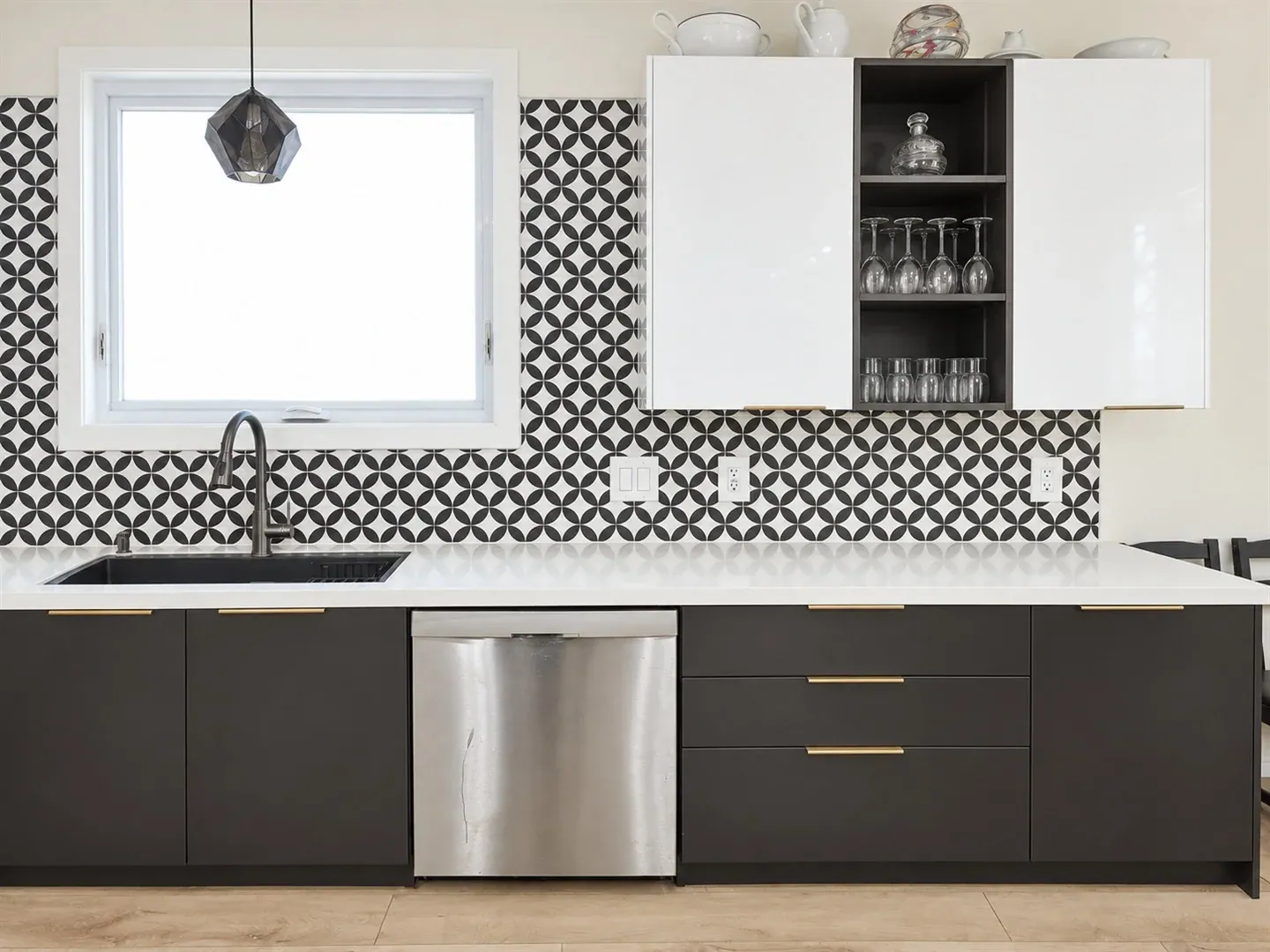
 Available
Apartment$2,800/ month
3 Bedroom Fully Furnished Rental in Parkwood Hills
1221 Meadowlands Dr E
- 3 bed
- 2 bath
- 1,500 sq. ft.
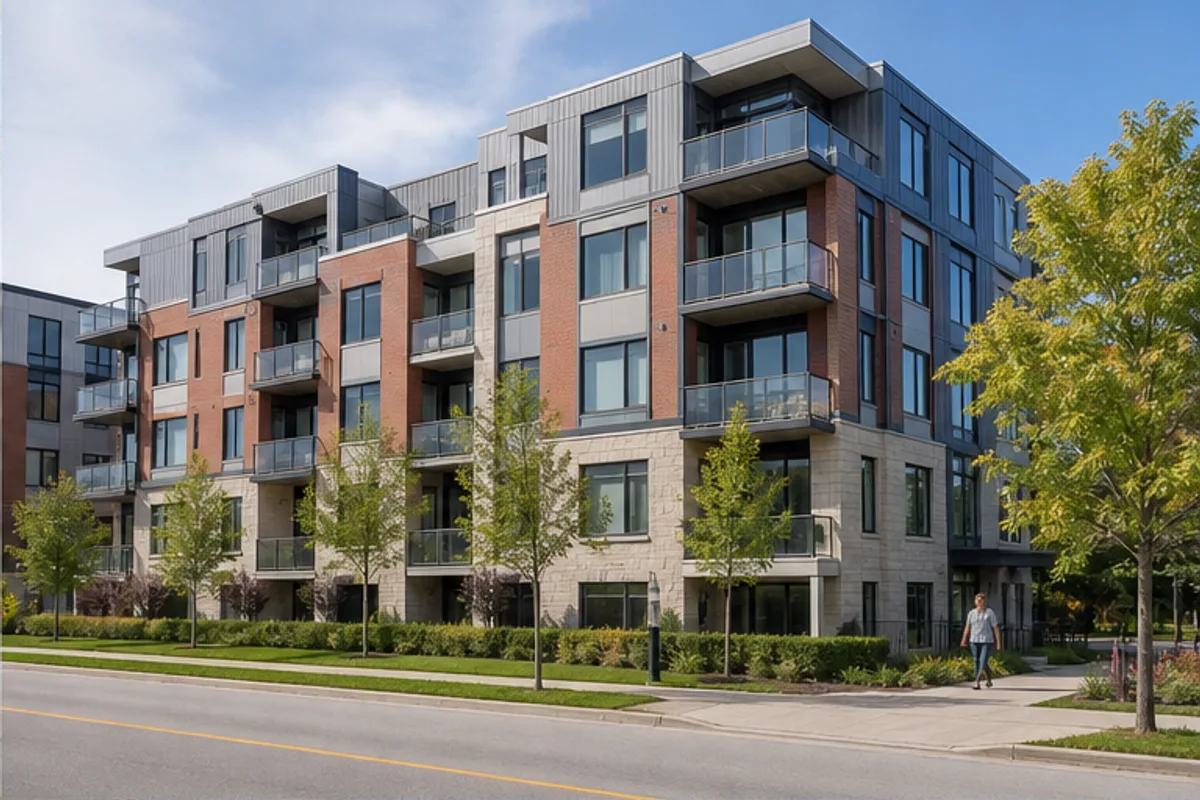
See available 3-bedroom apartments in Ottawa. Check the rent, rooms and what is included, then book a viewing.
These listings match the home type and bedroom count you selected. Confirm the move-in date, what is included and lease terms before applying.
Available1221 Meadowlands Dr E
Check all three bedrooms and the space you share. Can everyone use the kitchen, bathroom and living room comfortably? Is there enough storage?
Available three-bedroom apartments appear below. If none are listed, check back or compare condos, townhouses and houses with the space you need.
Use the same checklist for each home: rooms, budget, bills and commute.
Look at every room. Check size, windows, doors, closets, heating and outlets. Measure the furniture you plan to put in each one.
Notice whether a room is next to a busy living area or is colder, darker or noisier. Ask for a floor plan and compare it with the home.
Make sure there is room for seating, meals, food storage, coats and cleaning supplies. Check bathroom access and the space between rooms.
Find out where laundry is, when you can use it and what it costs. Walk the route you would take with a laundry basket.
Ask how guests, deliveries and contractors get in. Check stairs, elevators, move-in bookings, parcels, bike storage, garbage and parking.
In a converted house, ask about shared entrances, meters and heating controls. In a larger building, ask who handles repairs and get the building rules.
A condo may have extra building rules. A townhouse may give you a private entrance and several floors, with stairs and outdoor work to consider.
Keep your must-haves the same: three usable rooms, budget, commute, accessibility and storage. Check the lease terms for each home.
Write down the answers. Get important promises in writing.
Open the Rental Viewing Checklist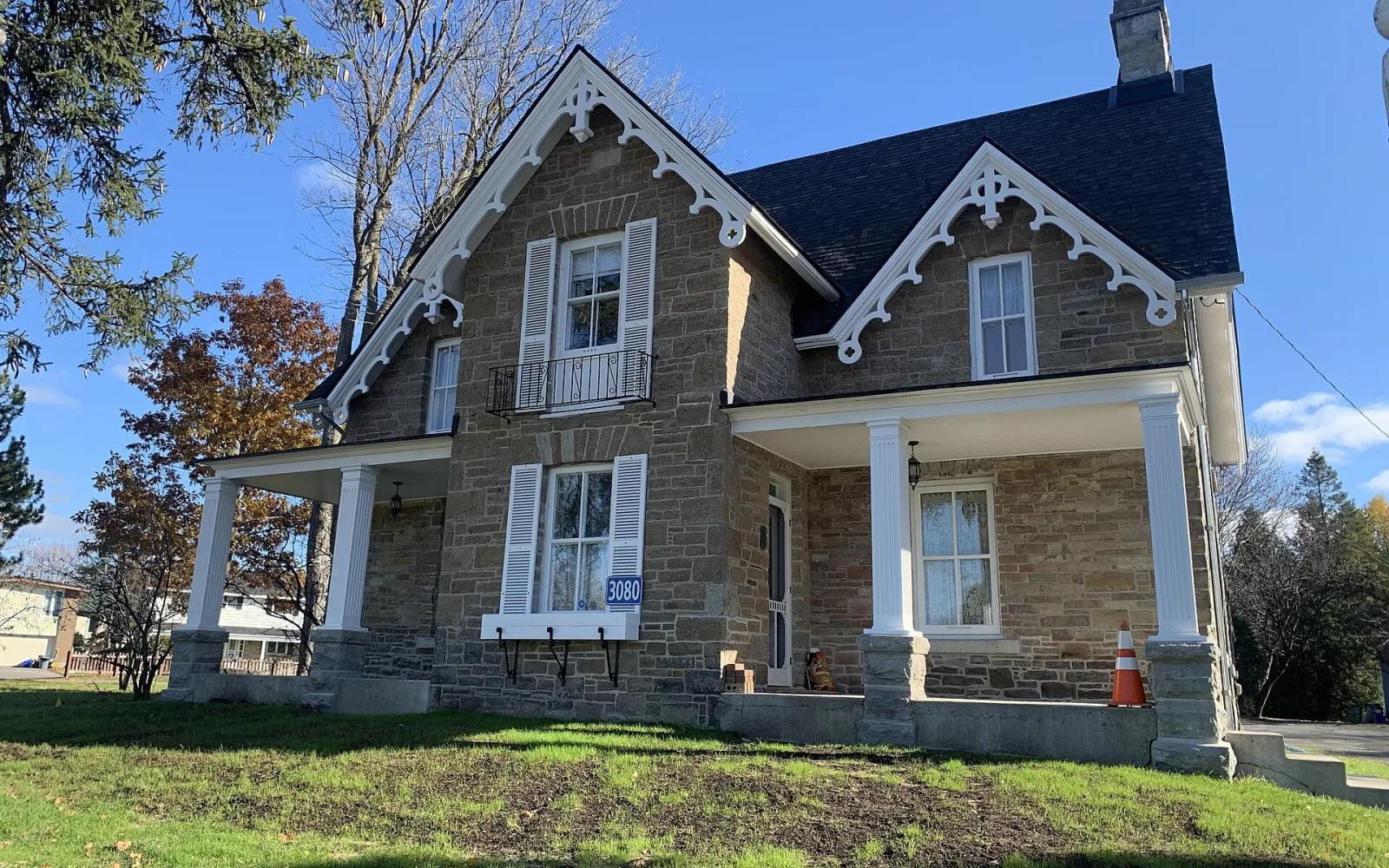
Compare smaller and larger apartment buildings in Nepean. Check the bus route or drive from each address.
Explore Nepean rentals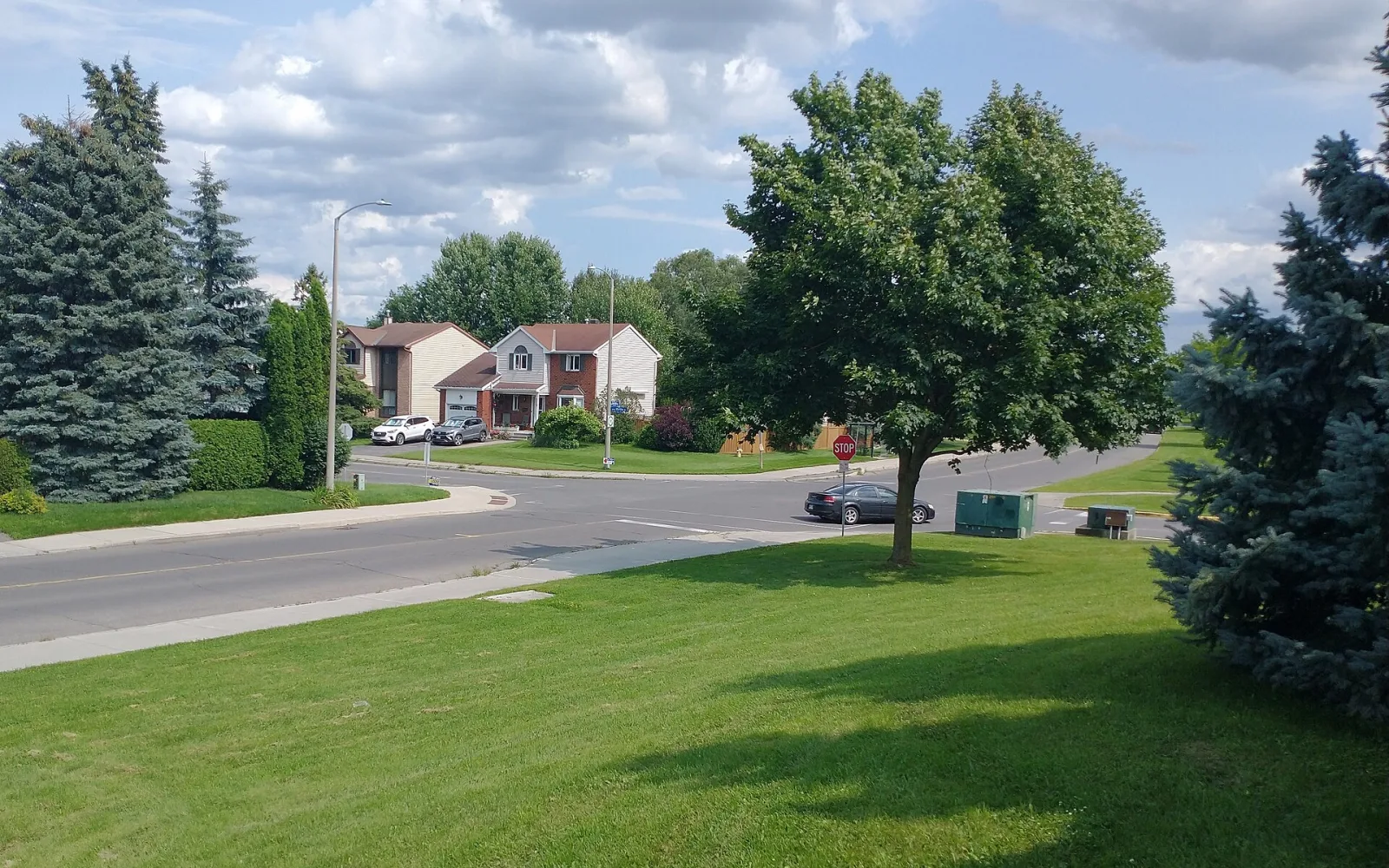
Include east-end apartment and condo options, then map current connections to the services and destinations your routine requires.
Explore Orléans rentals
Older conversions and larger apartment buildings require different checks for utilities, sound, storage, parking and building access.
Explore Centretown rentals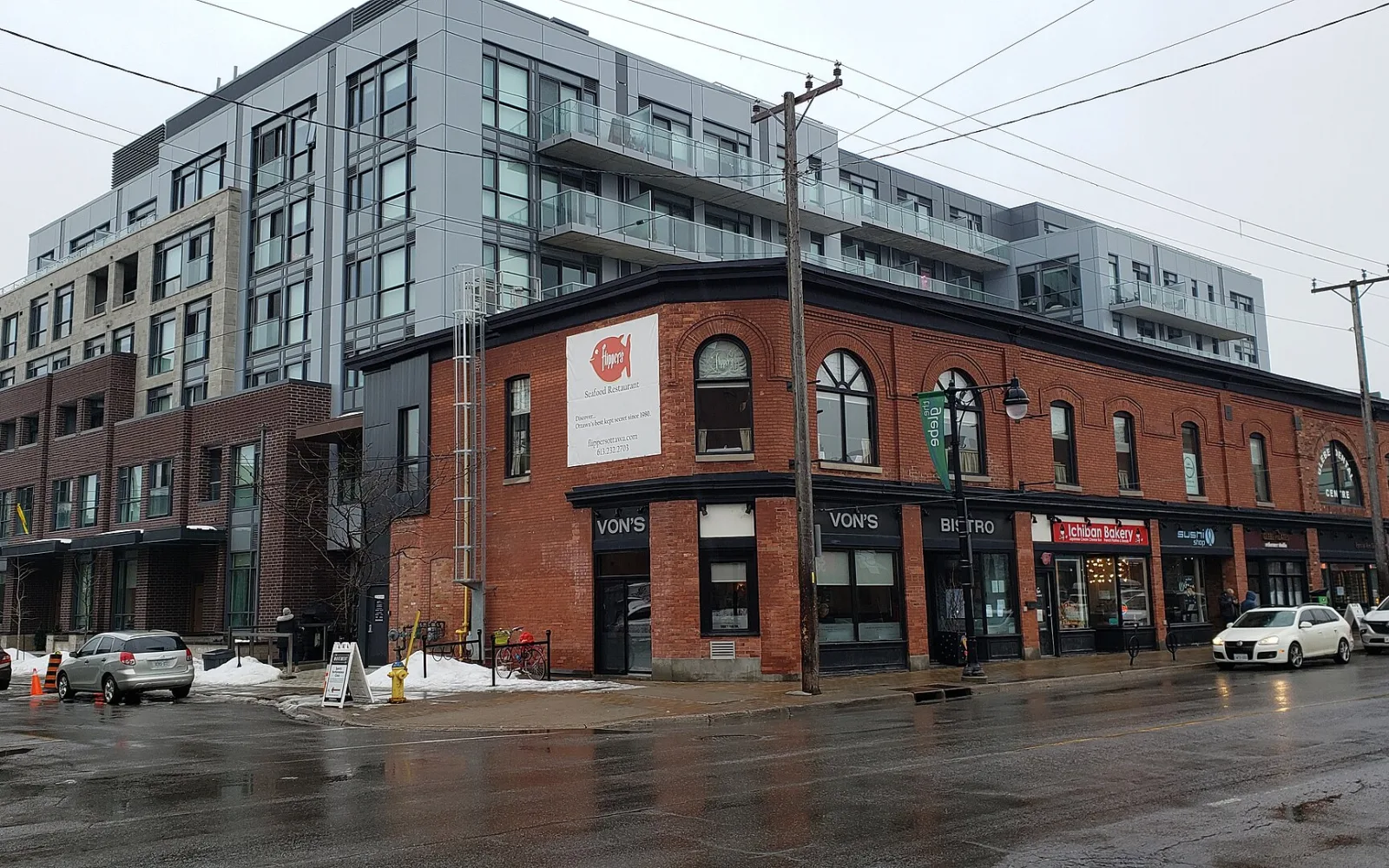
Converted homes, low-rise buildings and newer options near major corridors create different balances of character, space and parking.
Explore The Glebe rentals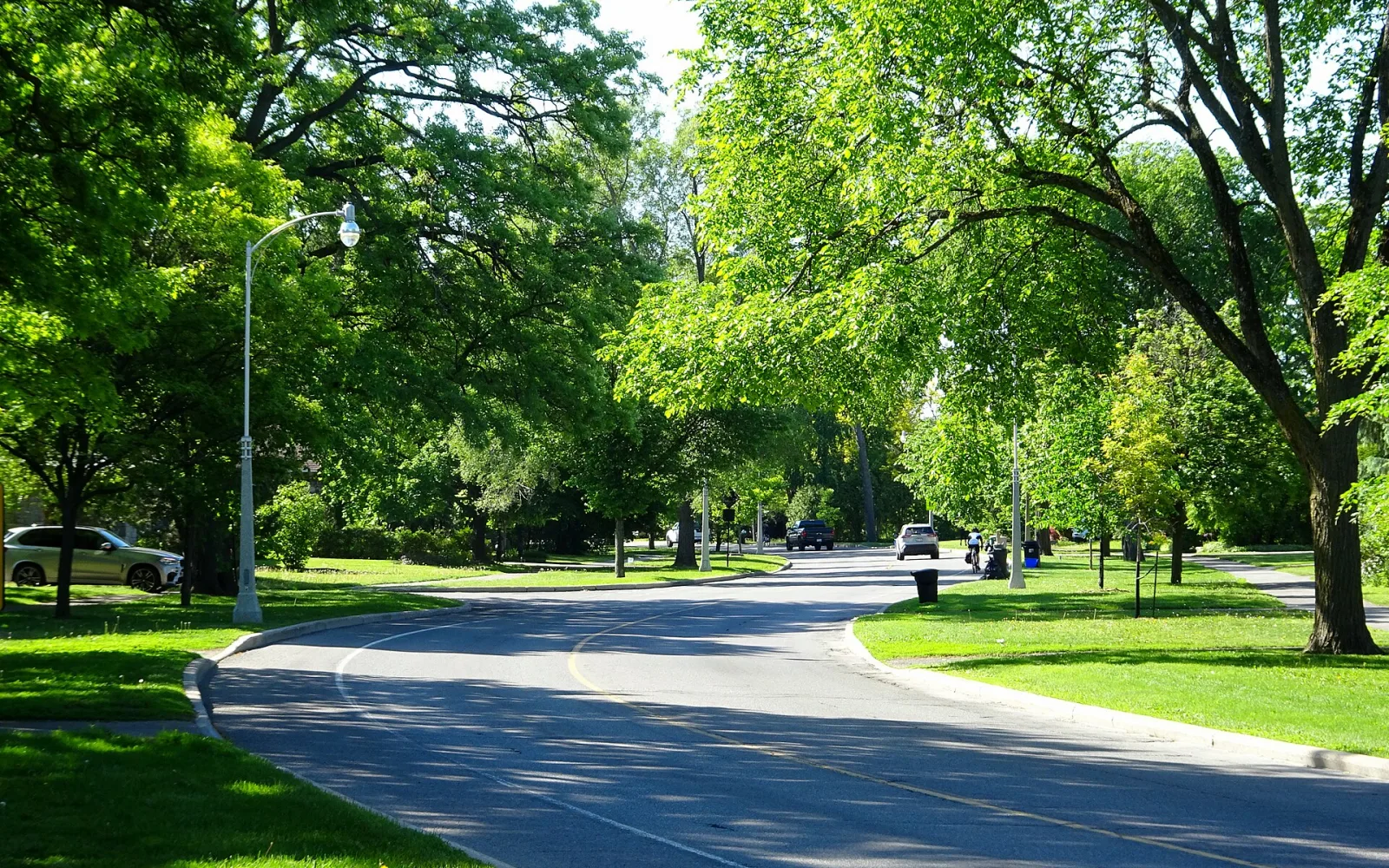
Compare established low-rise housing with larger corridor buildings while testing the real trip to work, study and recurring errands.
Explore Westboro rentalsAvailable 3-bedroom apartments appear above. If none are listed, check back or tell us what you need. Open a listing to see the photos, rent and viewing options.
Inspect its dimensions, window, door, closet, heat, outlets, sound and intended furniture. Do not assume the smallest room will work for a particular use without measuring it.
Check entrances, stairs or elevators, laundry, deliveries, waste, parking, bicycle and general storage, guest access, move procedures and the maintenance contact.
Yes. Compare stairs, entrances, utilities, outdoor care, parking and total monthly costs. Keep the same must-haves for each home.
Tell us what you need so we can check our current listings. Keep checking this page as homes become available.