Know who to contact
Your landlord handles the tenancy. The condo has rules for the building and shared areas. Ask who to contact for each type of issue.
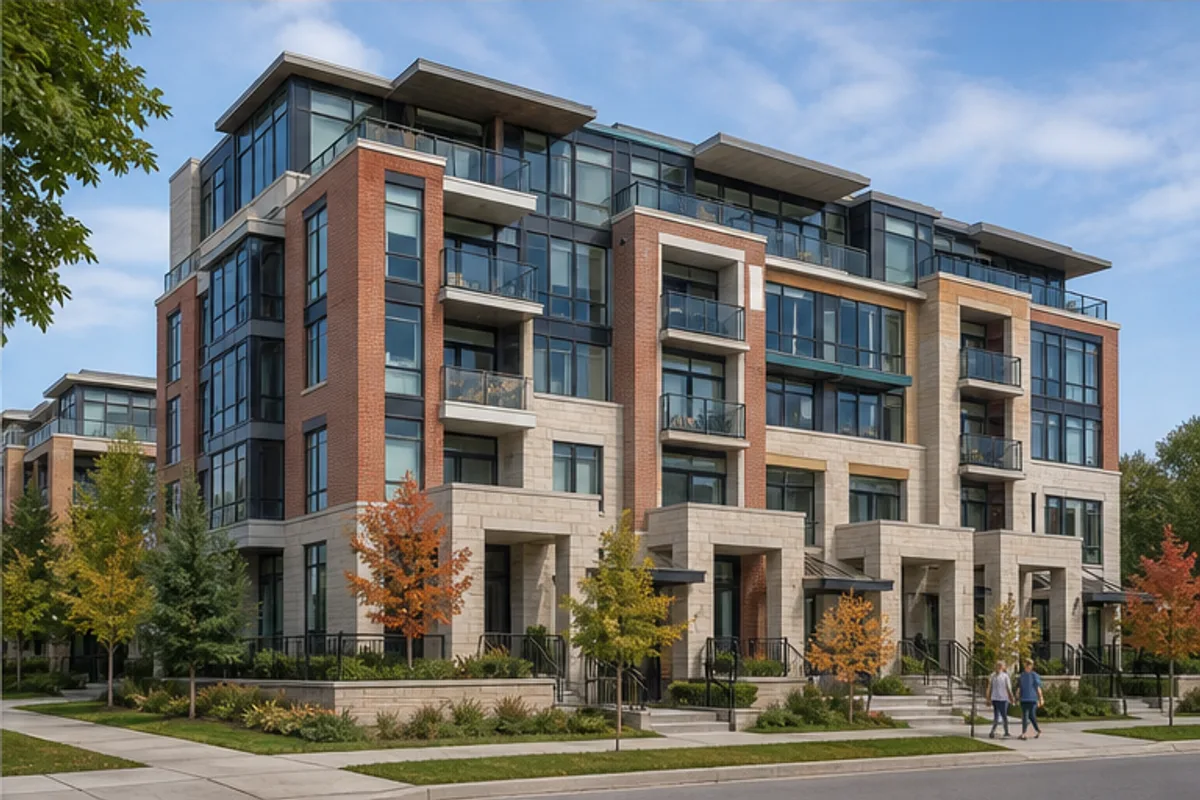
Browse available Ottawa condos. Check the rent, building rules, parking, storage and which amenities you can use.
View Available CondosBrowse condos currently listed as available. Confirm the move-in date, what rent includes and lease terms before applying.
Check back soon, or tell us what you need. We can check our current listings for a match.
Ask about the layout, bills, upkeep and commute.
Your landlord handles the tenancy. The condo has rules for the building and shared areas. Ask who to contact for each type of issue.
Ask which facilities you can use, how to book them and whether any fees or deposits apply.
You may need to book an elevator, arrange access fobs and confirm loading times. Ask about refundable key deposits.
Check the rent, extra bills, upkeep and commute before you apply.
Open the Full Viewing ChecklistYou rent from the unit’s landlord. The condo also has rules for shared areas and building services. Check both before signing.
Access, hours, booking procedures, fees and restrictions can vary. Confirm exactly what a tenant may use before applying.
Ask about utilities, parking, storage, fobs, move-in bookings, building rules, amenities, repairs, guest access and how to contact the landlord.
A condo is an individually owned unit. A rental apartment building usually has one owner or operator. Condos can look like apartments, but the ownership and building rules differ.