Need two bedrooms for sleeping, work or sharing? Check both room sizes and make sure there is enough living space and storage.
This guide covers room sizes, privacy, building services and monthly costs. Use it alongside our current two-bedroom listings.
Decide what each bedroom needs to do
Write down the furniture, storage and privacy each room must support. If both are sleeping rooms, compare dimensions and closet access rather than assuming they are equivalent. If one will be a workspace, consider door placement, sound and internet setup. A den or open alcove may be useful, but it should not be treated as the same thing as a separate bedroom when privacy is essential.
Check the living room, bathroom access and kitchen storage too. Where will coats, bikes and seasonal items go? Use the same checklist when comparing photos and visiting homes.
Compare two-bedroom layouts and buildings
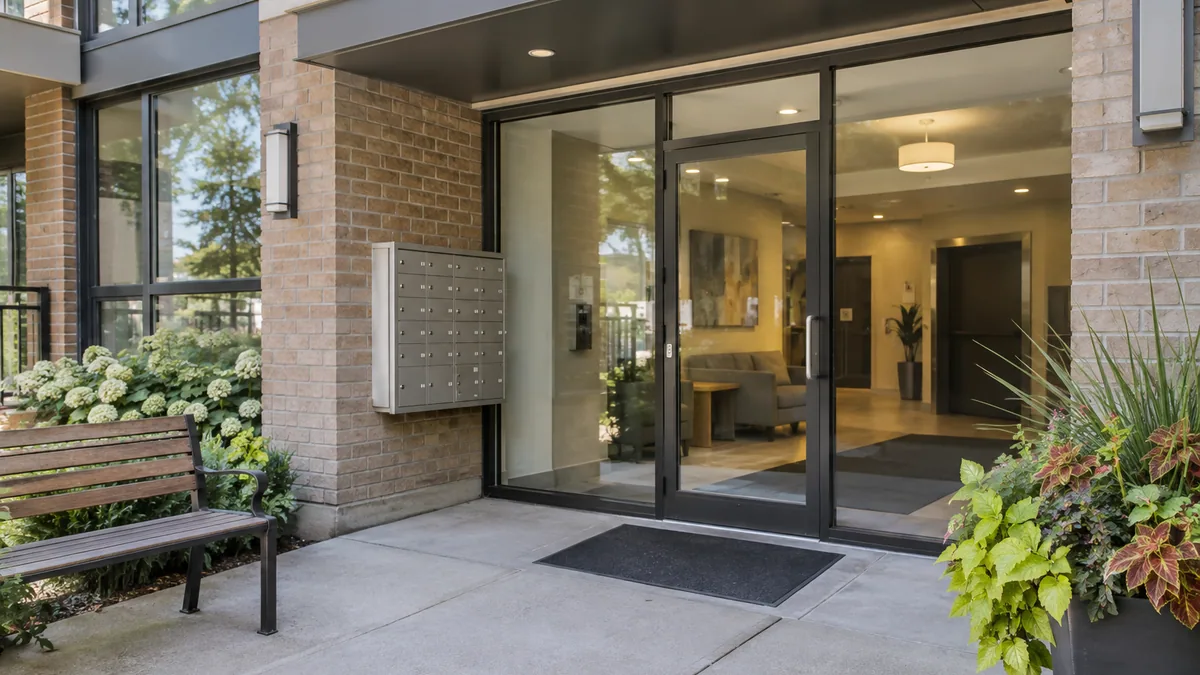
A purpose-built apartment, condo rental, converted house and stacked unit can all offer two bedrooms with very different operations. Ask about elevators or stairs, shared entrances, laundry, waste, parcel delivery, storage, sound and outdoor areas. In a condo, building rules and move-in procedures may apply alongside the lease; in a converted property, utility division and shared space deserve close attention.
Browse our apartment and condo listings. Ask what type of building each home is in, who handles repairs and which building rules you need to follow.
Check the commute for everyone sharing
If you are sharing, check the commute for both people. Compare areas such as Centretown, Hintonburg, Westboro, the Glebe, Nepean and Orléans. Test the route from each address at the time you normally travel.
Check the trip to groceries, laundry, appointments and other places you visit often. A shorter commute may save less time if other trips become longer. Compare the time and travel costs from each apartment.
Divide total costs before agreeing to share
Confirm rent, heat, hydro, water, internet, parking, storage, laundry and insurance. If costs will be shared, agree privately on a method that reflects room sizes, parking use or other material differences, then make sure everyone understands the obligations in the lease. A private cost split does not change what the signed tenancy agreement requires from the named tenants.
Ask how utilities are metered and whether any amount is included. Compare the all-in monthly figure with room function and location rather than selecting the lowest advertised rent. Moving costs, furniture for the second room and deposits or key arrangements can also affect the cash needed at the beginning of the tenancy.
Inspect privacy, storage and space to move around
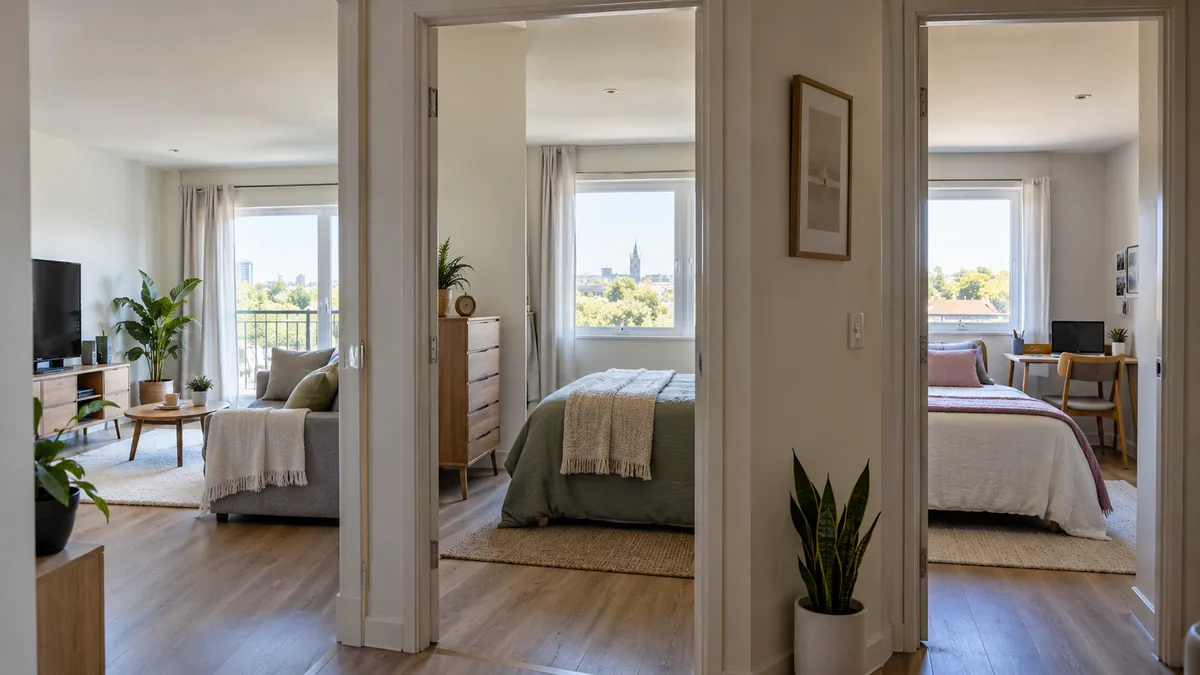
At the viewing, stand in each bedroom with doors open and closed. Check whether the rooms sit directly beside the living area, share a thin dividing wall or require one occupant to pass another's space. Look at closet depth, window operation, outlets and heating or cooling. Measure important furniture rather than relying on staging or wide-angle photography.
Follow an ordinary day through the unit: entering with coats, preparing food, using the bathroom, doing laundry, taking out waste and receiving a delivery. Inspect the building route as carefully as the rooms. Ask questions in writing afterward and make sure promised repairs, included storage or parking are recorded before signing.