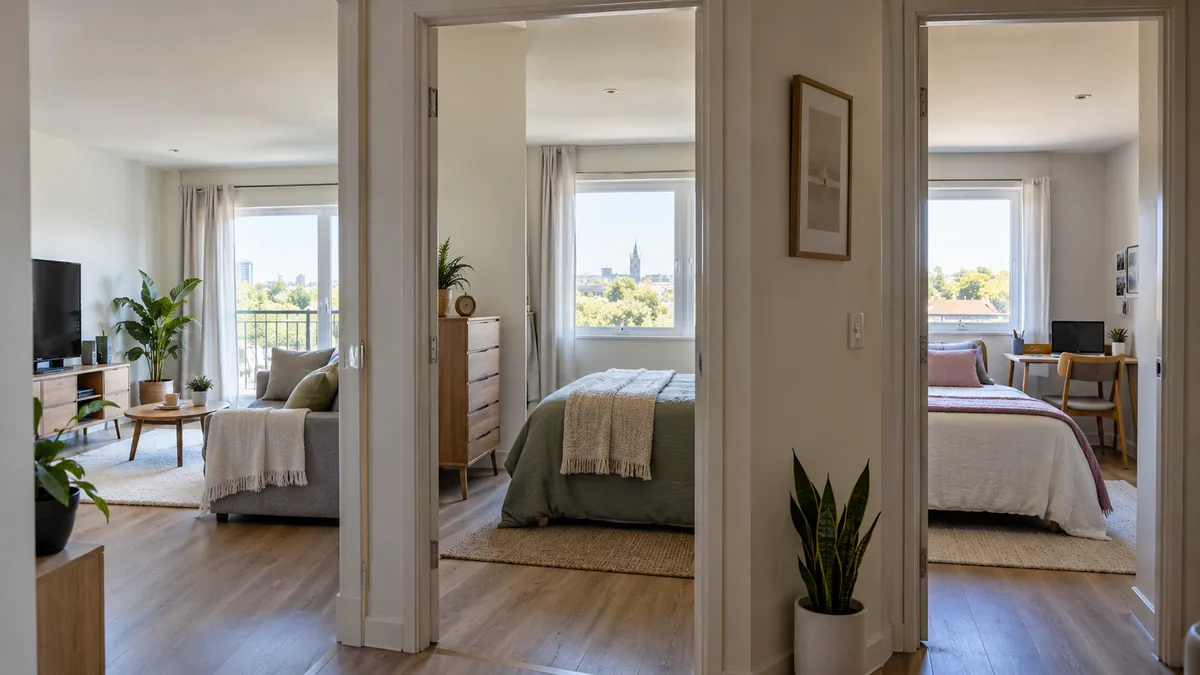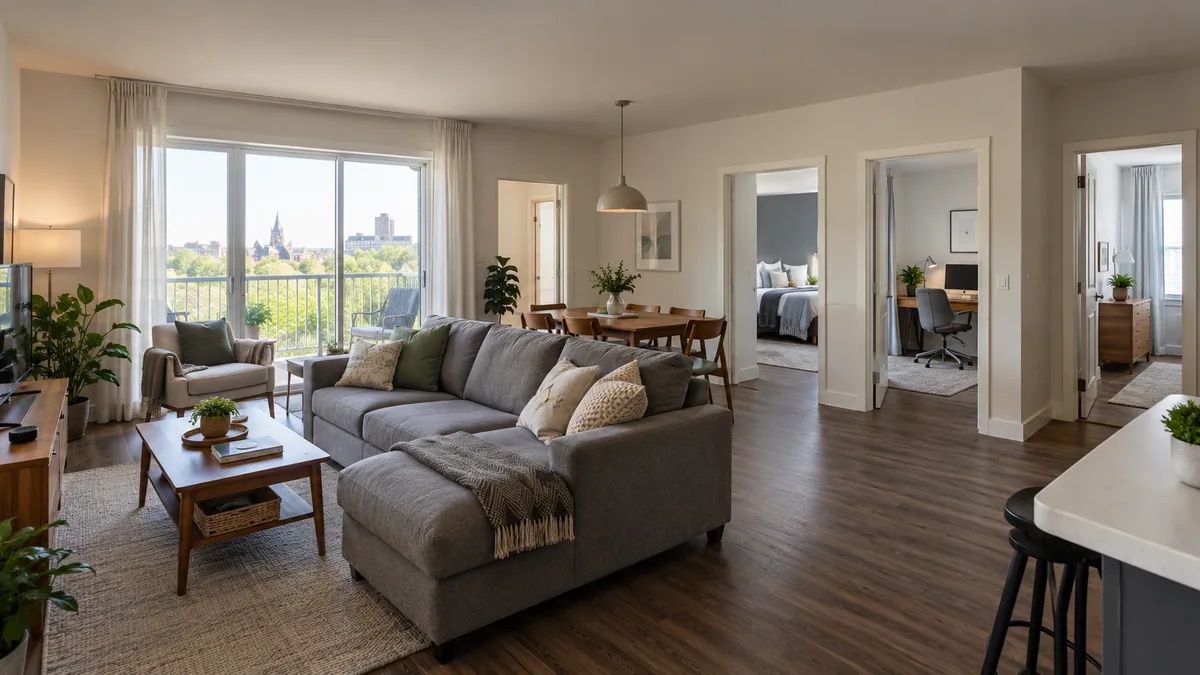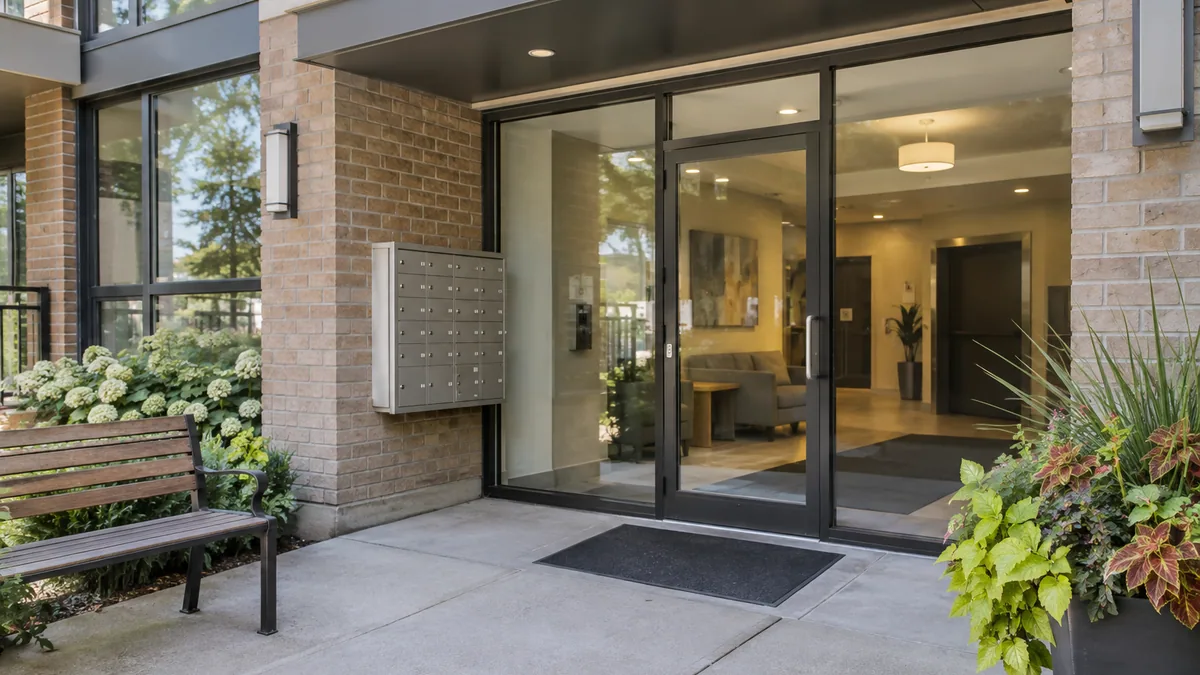
Looking for an Ottawa apartment? Set your budget, bedroom count and area. Then compare the buildings, utility bills, laundry and commute.
Use this guide to narrow your search, book viewings and prepare your application.
List what you need in an apartment
Begin with the destinations you need to reach regularly and the times you travel. Ottawa covers a large area, and a location that looks close on a regional map may involve a transfer, an indirect drive or a difficult winter walk. Test trips from the actual address using current schedules instead of relying on a neighbourhood label or a listing's broad description.
Write two lists: requirements and preferences. Requirements might include a firm move date, step-free access, a separate bedroom, permission for a pet, laundry access or a workable maximum monthly total. Preferences might include a balcony, a particular exposure or newer finishes. This keeps an attractive photograph from displacing the conditions that determine whether the apartment will work every day.
- Maximum rent and estimated utilities together
- Required bedroom count and usable room dimensions
- Transit, driving, cycling and winter walking needs
- Laundry, parking, storage and accessibility requirements
- Move-in date, lease timing and pet needs
Compare apartment types and areas
Purpose-built towers, mid-rise buildings, low-rise walk-ups and converted houses operate differently. Compare elevator access, common laundry, parcel handling, waste rooms, bicycle storage and building entry. In a smaller converted property, ask how heating, hydro, sound and outdoor areas are divided between units. In a larger building, understand how management and maintenance requests are handled.
Compare Centretown, Hintonburg, Westboro, the Glebe, Nepean and Orléans. Check available listings in each area, then plan the trip from each address to work, groceries and other places you visit often.
Add up the monthly costs
Ask who pays for heat, electricity and water. Add parking, storage, laundry, internet and insurance. Check for hot-water or air-conditioning equipment charges. Add these to the rent to compare the full monthly cost.
Record every answer in the same format for each apartment. Note the lawful rent shown in the proposed lease, included services, optional charges and deposits. Ontario's standard lease is required for most private residential tenancies and provides a useful structure for reviewing what the parties have agreed. Consult the official guide if a requested payment or term is unclear.
Use the viewing to test the building and the unit
Arrive early enough to look at the approach, entrance, lighting and route from parking or transit. Inside, test doors and windows, observe ventilation and water flow, and inspect the condition of appliances and finishes. Look at common areas you would actually use, including laundry, mail, waste, bicycle rooms, storage and elevators. Ask who receives repair requests and how urgent issues are reported.
Measure the bedroom and closets and check where your furniture will go. Look at the light, but remember it changes through the day. Ask before taking photos. Get promised repairs and included features in writing.
Check the details before applying
Keep identification, reliable income information, references and rental history organized so you can respond to a suitable listing. Share sensitive records through an accountable channel and ask why information is needed. The Ontario Human Rights Commission says housing criteria must be genuine, consistently applied and non-discriminatory; a polished application does not require disclosing protected personal details that are unrelated to tenancy.
Before sending money, confirm the property, unit, person authorized to rent it and written terms. Review the full lease, all lawful attachments, the move-in process and the contact method for repairs. A fast market can reward preparation, but urgency should not replace identity checks, a property-specific viewing or careful review of the agreement.