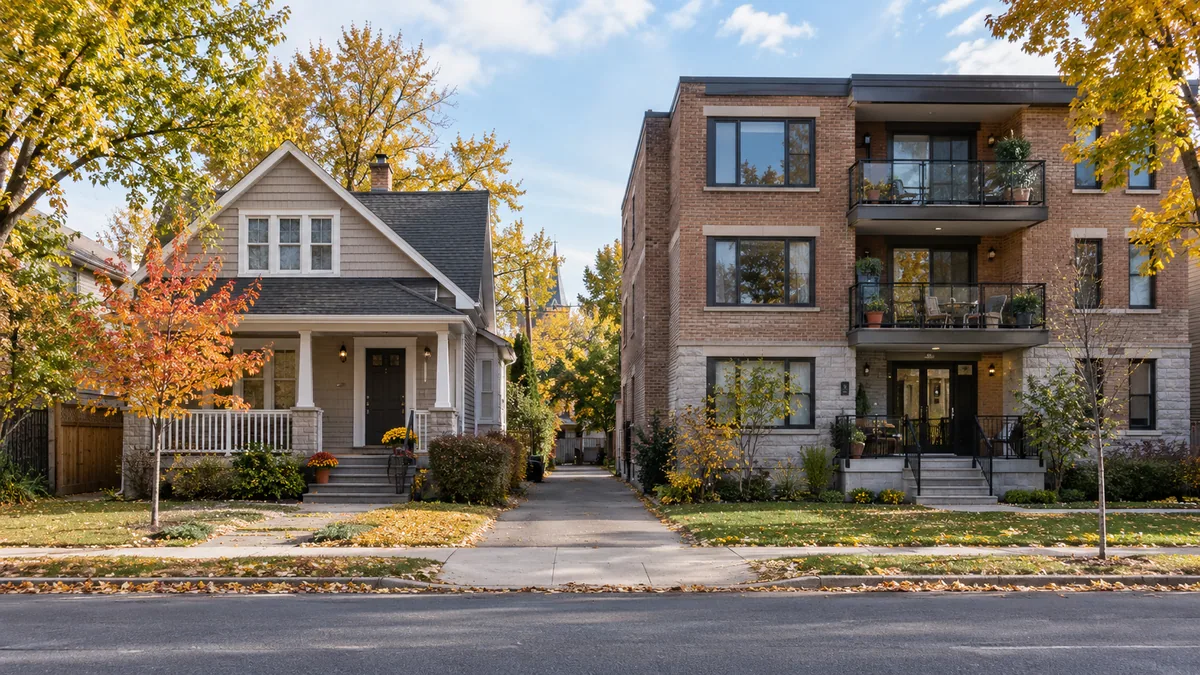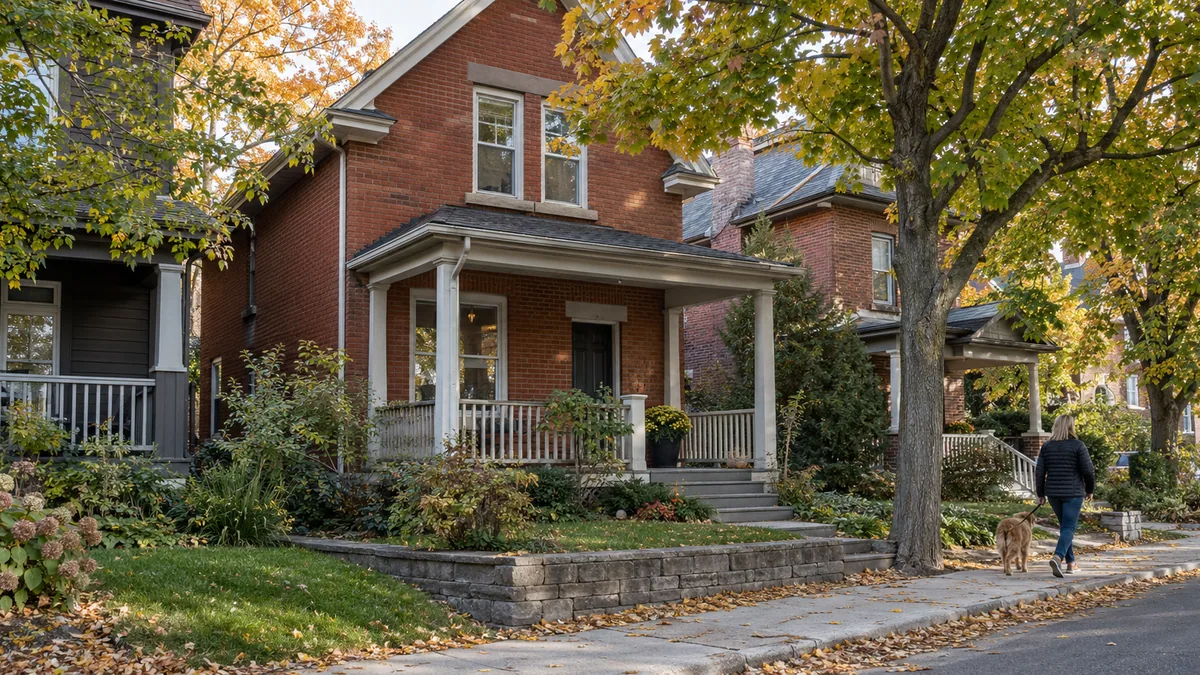
Looking for a house in Ottawa? Choose your budget, bedrooms and area first. Then check utilities, parking, yard care and what the lease includes.
Use the steps below to compare homes, book viewings and get ready to apply.
Choose the home type you need
Compare detached houses, semi-detached houses and townhouses. A detached house may have more private outdoor space. A townhouse often shares walls and may have a smaller yard. Check the condition, lease and location of each home.
List the bedrooms, work space, parking, storage, stairs, yard and pet arrangements you need. Ask whether the basement is included or is another unit. If the property is shared, check how utilities, entrances, parking and outdoor areas are divided.
Search by commute and daily needs
Ottawa includes established central neighbourhoods, inner suburbs and growing communities farther from downtown. Test the trip you will actually make at the time you expect to make it. If transit is essential, use the current OC Transpo trip planner rather than assuming that a nearby road or station creates a simple route.
Check nearby groceries, health services, recreation and winter walking routes. A smaller home near your daily stops may suit you better than a larger one farther away. Keep a few areas in mind while you check available homes.
Compare the total monthly cost
The asking rent is only one part of a house budget. Confirm responsibility for electricity, gas or other heating fuel, water, hot-water equipment, parking, internet, snow removal and lawn care. Ask for the type of heating and which appliances are included, but do not treat another household's old bill as a guarantee of your future use.
Write down the same costs for every house: rent, bills, travel, insurance and any yard equipment you need. Ask how much time the agreed outdoor tasks will take.
- Rent and separately charged services
- Heat, electricity and water responsibility
- Parking type and number of spaces
- Snow, ice, lawn and waste responsibilities
- Commute and insurance costs
Verify the listing before you apply
Check that the address, photographs, rent, availability date and contact identity stay consistent across the advertisement, viewing and documents. Tour the actual home whenever possible. Ask the person showing it to explain their relationship to the owner and do not send a deposit simply to reserve a viewing.
During the visit, look beyond room size. Check doors, windows, water pressure, visible signs of leaks, included appliances, heating controls, exterior drainage, stairs and handrails. Clarify whether any area shown in the advertisement is shared, excluded or scheduled for future work.
Submit a complete, accurate application
Well-organized applications are easier to assess. Follow the requested process, answer relevant questions accurately, and provide readable supporting records through a secure method. Tell references to expect contact. If information such as Canadian rental history is unavailable, explain that directly and ask what alternatives can be considered.
Do not send more sensitive information than the stated process requires, and ask how it will be handled. A legitimate application is not a reason to abandon caution: verify the recipient, understand any consent you sign, and keep a copy of your submission.
Check the lease for costs and upkeep
The lease should state which spaces you rent, the rent amount, included services, utilities and parking. Check shared areas, storage, appliances and outdoor tasks. If the home uses a well or septic system, ask how those work. Get unclear promises in writing before signing.
Complete a move-in condition record with dated photographs and report outstanding repairs in writing. Store the signed lease, receipts, inspection notes and ongoing communication together. A clean record helps both tenant and landlord manage a property with more moving parts than a typical apartment unit.