A viewing lets you check the home behind the photos. Look at the rooms, heating, water, access and what rent includes.
Bring the same checklist to each viewing. Take notes, ask before taking photos and get help with any safety concern.
Confirm the basics before you arrive
Ask for the full address, unit identifier, advertised rent, occupancy date and name of the person conducting the viewing. Confirm whether the appointment is private or grouped and what identification, if any, is reasonably needed to access the property. Tell someone where you are going and avoid carrying cash.
Bring your requirements, a phone or notebook, a small tape measure and the dimensions of essential furniture. Plan enough time to see the actual unit and common areas without rushing. If someone substitutes another unit, ask how it differs and arrange to verify the exact home before committing.
Start outside and in the common areas
Look at the route from the street or parking space to the entrance. Consider lighting, steps, railings, drainage, snow storage and how you would carry groceries in winter. In a multi-unit property, notice door security, mail and parcel arrangements, waste areas, elevators, laundry and general maintenance.
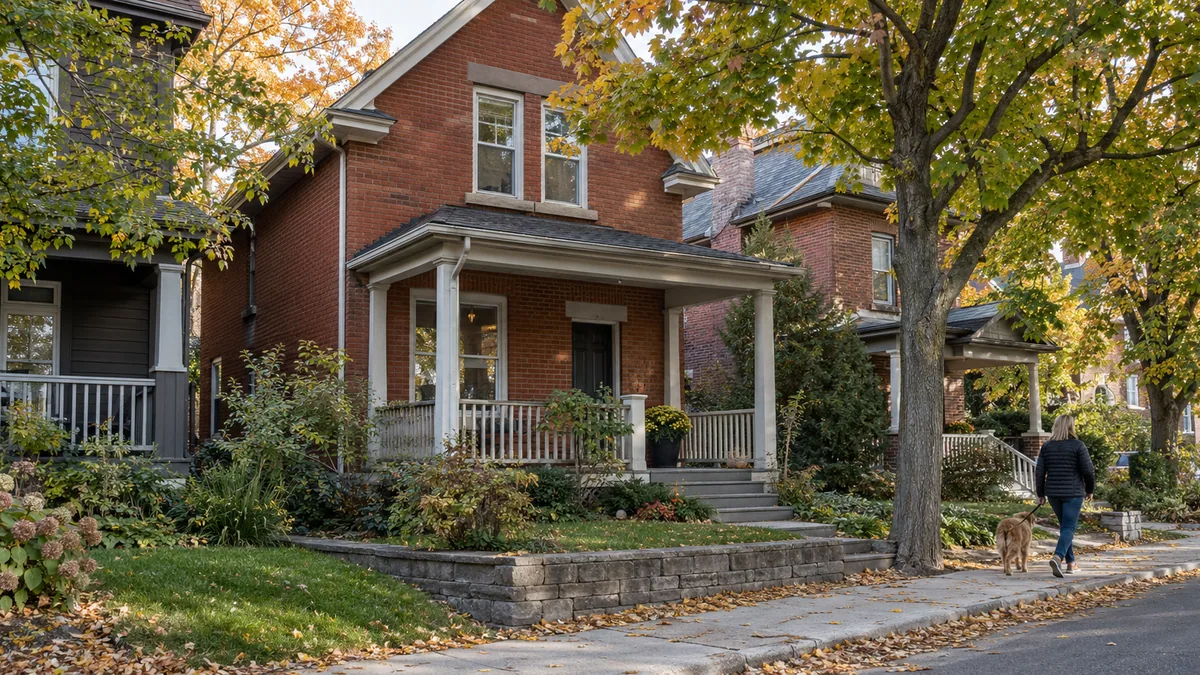
For a house, clarify which driveway spaces, entrances, yard areas, sheds and waste containers belong to the tenancy. Observe the building from ground level for obvious damage or active work, but do not enter restricted spaces or attempt your own technical inspection.
Check each room and essential system
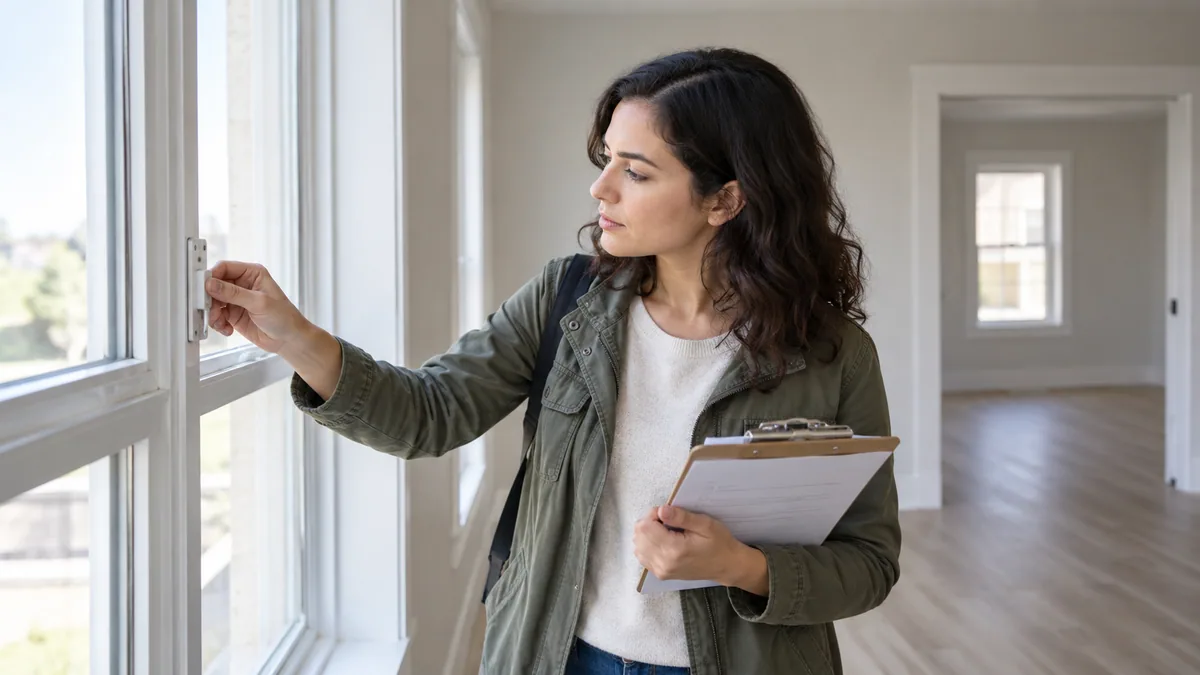
Open and close an ordinary sample of doors, windows and cabinets with permission. Run taps, observe drainage, flush toilets, check visible seals around tubs, and look for staining, active moisture or strong masking odours. Ask how heating and cooling are controlled and which utilities serve the unit.
Test included appliances when practical and ask whether every item shown will remain. Count usable electrical outlets from a visual inspection and consider where furniture can fit without blocking exits or heaters. Never remove panels, climb roofs or test equipment in a way that could create a hazard.
- Water pressure and drainage
- Windows, locks, screens and natural light
- Heating controls and ventilation
- Included appliances and laundry access
- Visible moisture, pests or unfinished repairs
- Storage, outlets and practical furniture layout
Ask about costs and responsibilities
Request a clear list of what the rent includes: heat, electricity, water, parking, storage, air conditioning, internet or other services. Ask which accounts the tenant must open and whether any equipment rental or separate recurring charge applies. Written lease terms, not assumptions, should settle the final answer.
For houses and smaller properties, clarify snow, lawn, waste and shared-area arrangements. In a condominium, request the relevant rules and move procedures. Ask how routine and emergency repairs are reported and who the day-to-day contact will be.
Check noise, entrances and stairs
Pause long enough to hear normal building and street sound. Ask about construction already scheduled for the property, but remember that no one can promise a permanently silent neighbourhood. Check mobile reception if it matters, the location of deliveries, bicycle storage and the route to parking or transit.
Consider accessibility based on your own needs: entry thresholds, stairs, door widths, elevator reliability, bathroom layout and the path to waste or laundry. A home can look polished and still fail an essential routine. Ask about accommodation through the proper process rather than assuming a modification is impossible.
Document answers and follow up in writing
Label your notes and photos with the address and unit. Send any unanswered questions to the landlord. Get promised repairs and included features in the lease or another lawful written agreement.
Compare the application and lease with your viewing notes. Check the condition again at move-in and take dated photos. Keep written repair requests and copies of the replies.