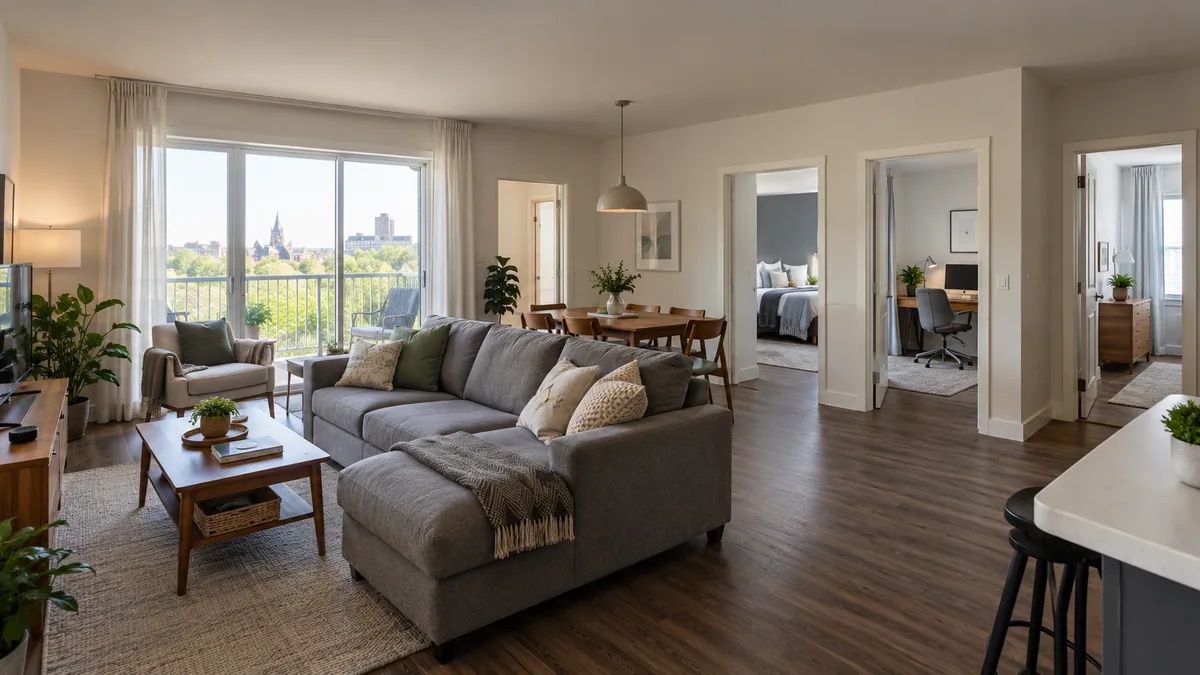
A three-bedroom apartment can give you extra rooms with less outdoor upkeep than a house. Check all three bedrooms, shared space, bills and building access.
Make a list of what you need before a listing appears. It will help you check whether the home has enough space, storage and privacy.
Check the third bedroom
Assign a purpose to every room and identify the minimum furniture, storage and privacy it needs. Three bedrooms can be uneven in size, particularly in converted properties or layouts where one room was designed for a different use. Request dimensions when they are available, bring essential furniture measurements to the viewing and inspect the room itself rather than inferring scale from photographs.
Check the space everyone shares: bathrooms, kitchen, dining area, storage and laundry. Make sure people can walk between rooms without blocking the living area.
Understand the building behind the apartment
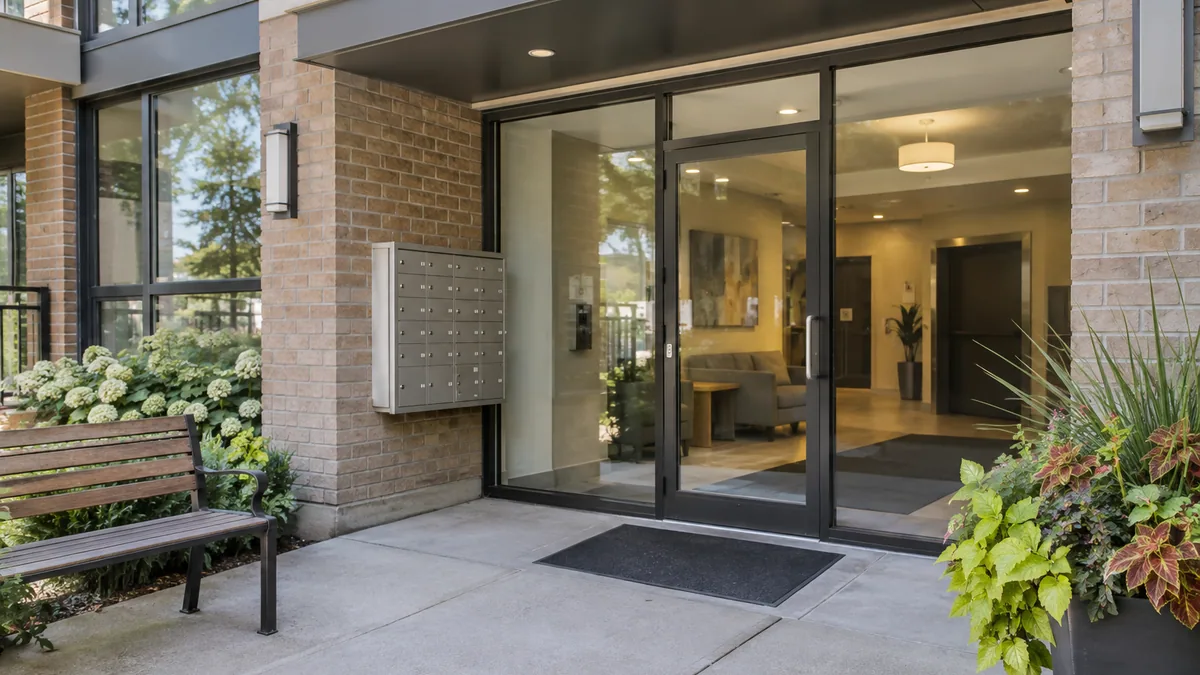
In a purpose-built building, ask about elevators, deliveries, waste, laundry, bicycle storage and the process for maintenance requests. For a condo rental, clarify the condominium rules, fobs, amenities, parking and move-in bookings that apply to tenants. In a converted house, confirm the unit entrance, included levels, sound between units and how heat, hydro, water and outdoor areas are divided.
Do not assume that three bedrooms means multiple bathrooms, accessible entry or dedicated parking. Those are separate property facts. Compare the building systems and shared areas with the same care as the unit, because they determine how groceries, strollers, mobility devices, bicycles, waste and deliveries move through daily life.
Compare more Ottawa areas
Compare apartment listings in Centretown, Hintonburg, Westboro, the Glebe, Nepean and Orléans. Availability changes, so check current listings and the commute from each address.
Map every regular destination from the exact address and at realistic hours. When several occupants have different routines, identify a location that keeps the combined travel workable instead of optimizing one trip. Check current transit, driving, cycling and winter walking conditions, plus recurring errands that can add more time than the headline commute.
Agree on the monthly budget
List rent, heat, hydro, water, internet, laundry, parking, storage and insurance. Confirm which amounts are included, separately metered or optional. A larger apartment may create a different utility profile from a smaller unit, but the actual systems, exposure and lease arrangements matter more than a general estimate based on bedrooms.
If adults are sharing the home, agree on how to split costs before signing. Room sizes, private features and parking may affect the split. Make sure everyone understands the lease, total cost, move-in payments and what happens if someone leaves.
- Rent and all separately paid utilities
- Parking, storage, laundry and internet
- Tenant insurance and move-in costs
- Furniture needed for three bedrooms and shared rooms
- Transportation costs from the actual address
Check privacy, repairs and move-in access
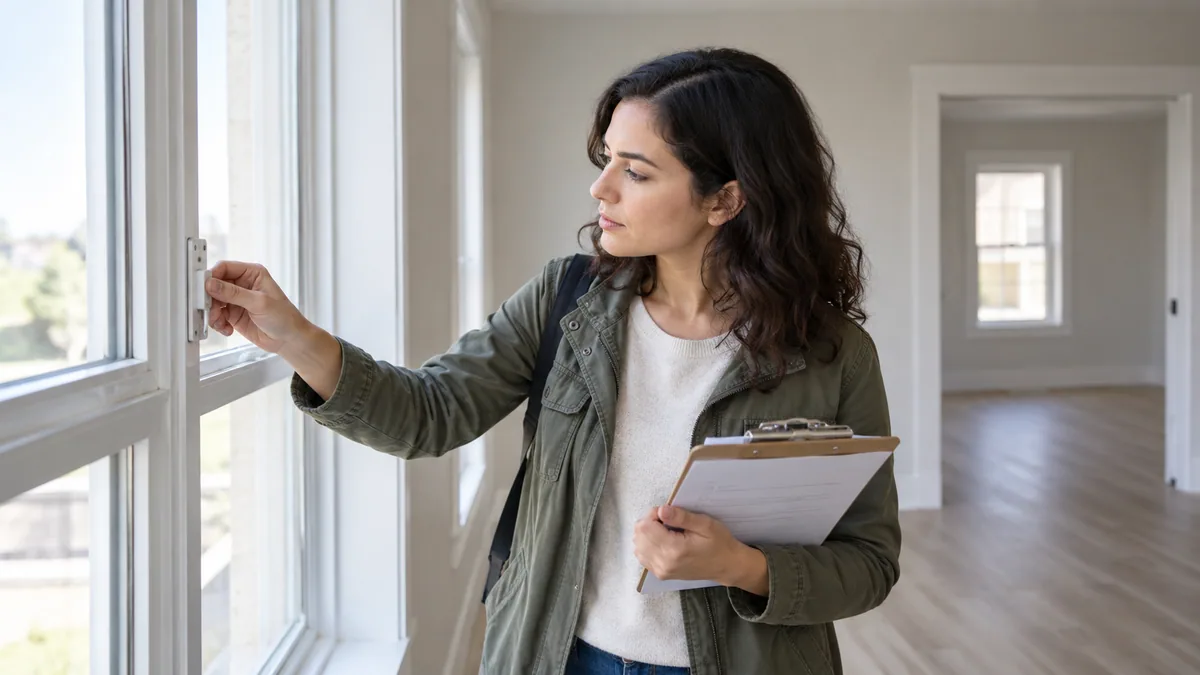
During the viewing, check doors, windows, ventilation, water flow, appliances and the condition of each room. Stand in the bedrooms while someone speaks in the common area to understand ordinary sound, without treating a short viewing as a guarantee. Inspect closets and storage, then follow the route to laundry, waste, parking and the building entrance.
Ask about the move-in process, key or fob arrangements, elevator booking where relevant and who handles repairs. Record promised work and included spaces in writing. Review the Ontario standard lease and lawful attachments before paying, and verify the property and authorized contact even when limited inventory makes the decision feel urgent.