House or townhouse? Both can offer a private entrance and several floors. Compare shared walls, outdoor space, parking, upkeep and any condo rules.
Use this guide to plan your viewing questions. Get costs and responsibilities in writing before you choose.
Check what type of home you are renting
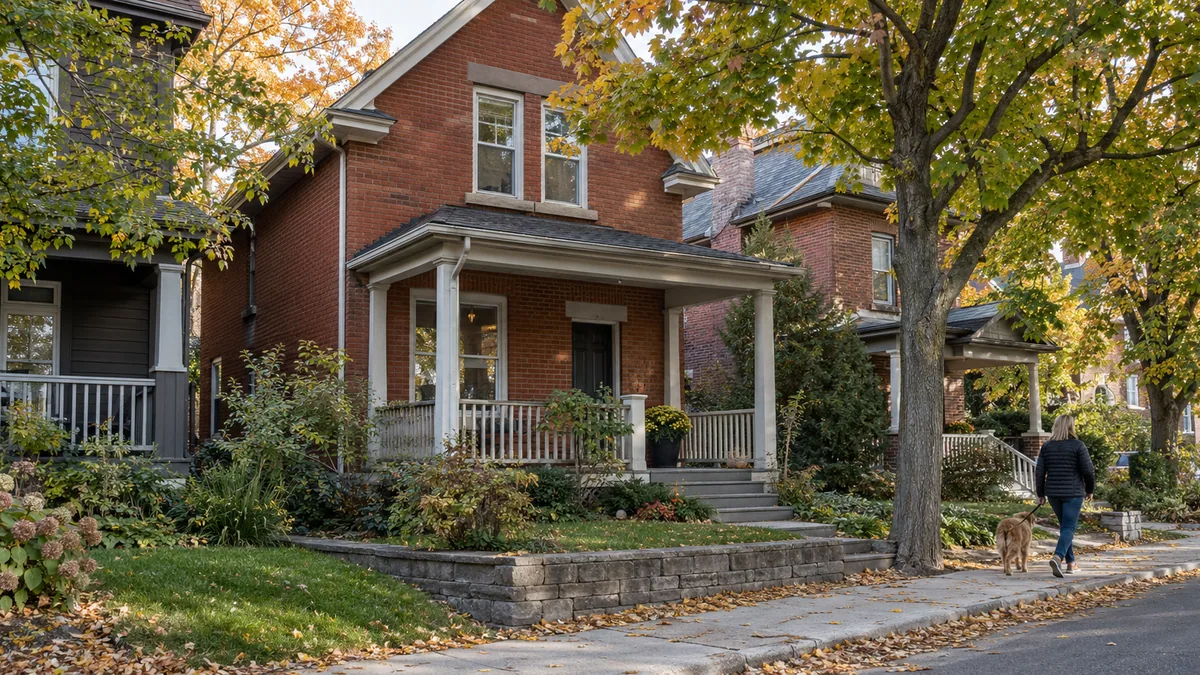
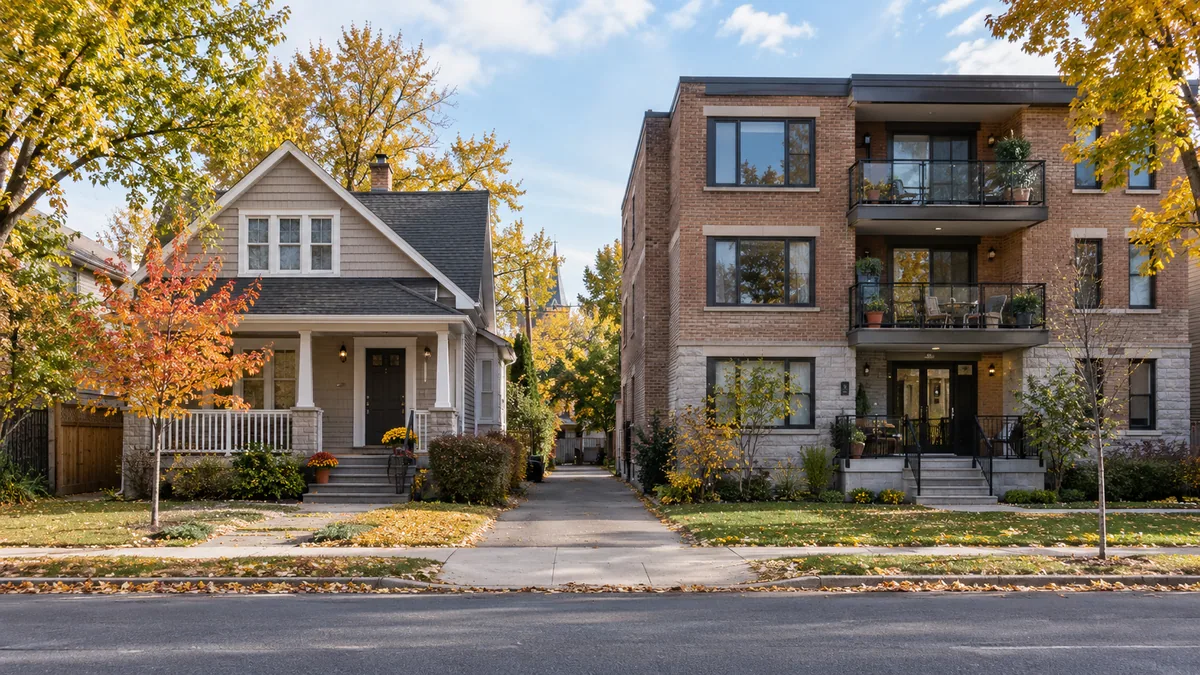
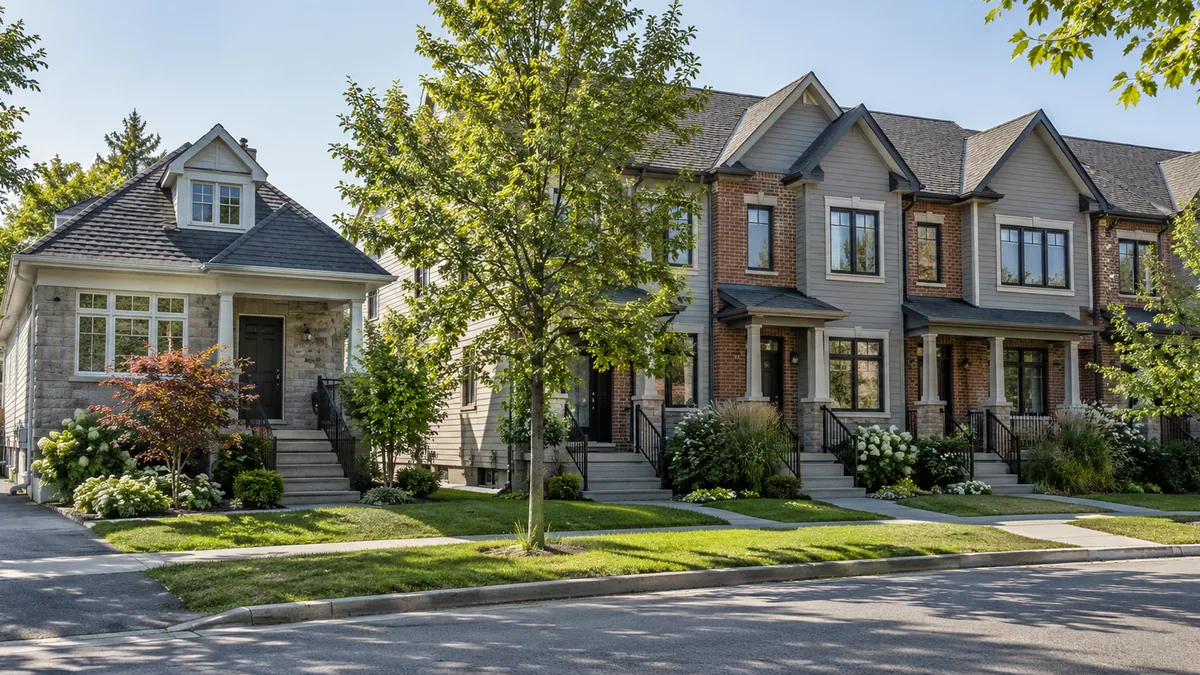
A detached house stands apart, while a semi-detached house shares one wall. Traditional townhouses sit in a row; stacked and back-to-back townhouses can add neighbours above, below or behind and may use more stairs. Ask what the listing actually represents because the words house, home and townhome are not always applied consistently across advertising platforms.
Townhouses may be freehold or part of a condominium. A condo townhouse can have community rules affecting parking, waste, outdoor areas, amenities and move-in procedures. The lease remains central to the tenancy, but renters should understand any lawful rules or attachments they are expected to follow before choosing the format.
Check the layout and stairs
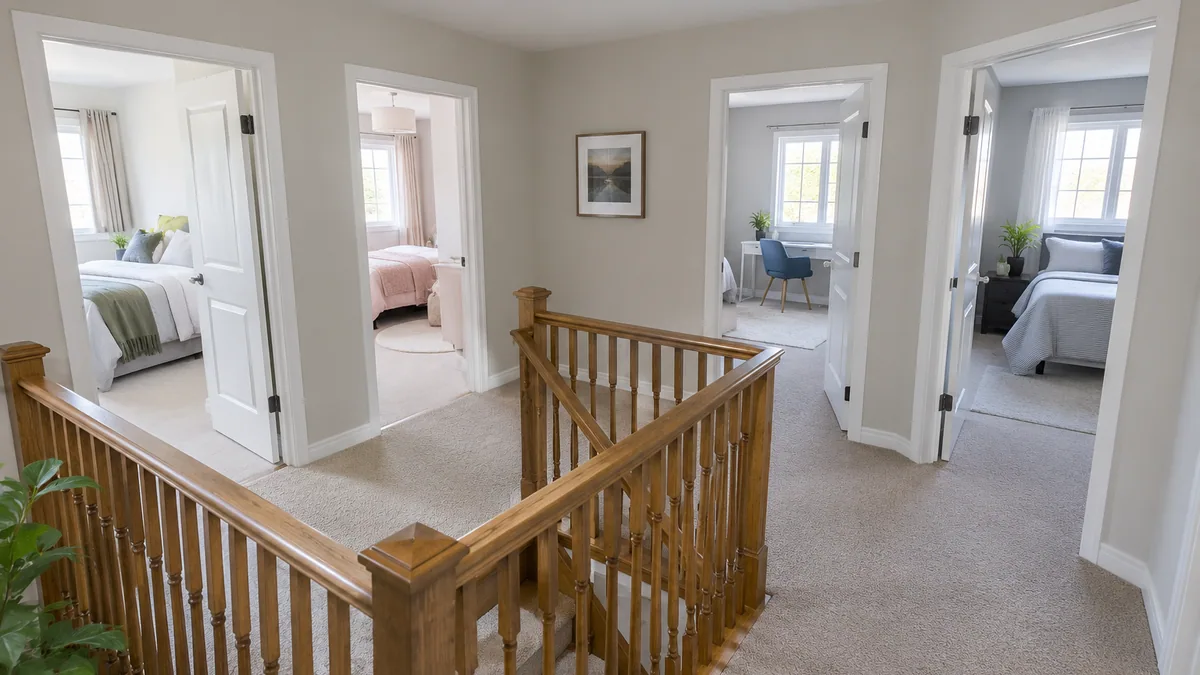
A house may offer side access or a larger yard. A townhouse may spread rooms over several floors. Walk from parking to the kitchen, bedrooms, laundry and storage. Check whether the stairs and layout work for you.
Ask whether the basement, garage, yard, shed, balcony and storage are included. Are they private or shared? In a stacked townhouse, check which entrance and outdoor area belong to your unit.
Ask about noise and shared areas
Detached houses reduce shared walls but do not guarantee silence; streets, nearby properties and mechanical systems still matter. Townhouses place more attention on wall locations, entrances and shared community space. At the viewing, note where bedrooms and living rooms meet neighbouring units and ask factual questions about the construction and community rather than seeking guarantees about future noise.
Condominium or community rules can shape visitor parking, waste, outdoor items and amenity access. Request relevant rules before signing when they apply. For any property, confirm guest arrangements, parking assignments and shared pathways in writing. Clear boundaries matter more than whether the marketing describes the home as private.
Compare utilities and outdoor upkeep
Both houses and townhouses may place gas, hydro, water, hot-water equipment and insurance outside the advertised rent. A townhouse's shared construction does not establish what utilities will cost, and a house's size does not reveal its efficiency. Ask about the actual systems and metering, then compare a complete monthly budget.
Clarify snow, lawn, waste, seasonal upkeep and exterior maintenance arrangements. Do not assume that a condominium townhouse automatically removes every outdoor task or that a house lease assigns all outdoor work to the tenant. The written agreement and lawful responsibilities require careful review; ask the landlord or manager to explain who coordinates each recurring task.
- Heating, electricity, water and hot-water equipment
- Driveway, garage and assigned parking
- Snow, lawn, waste and seasonal arrangements
- Condominium rules and shared-area procedures
- Included basement, yard, storage and outdoor space
Compare the commute and nearby shops
Townhouses are a useful search category in areas such as Barrhaven, Kanata, Stittsville, Orléans and parts of Nepean, while houses appear across those broader areas and established central neighbourhoods. This context helps widen a search but does not describe current availability. Use listing pages to see what is actually offered.
Compare the precise trip to work, study, groceries and other routines. A townhouse near a useful transit or retail connection can outperform a larger house that adds daily travel, while a house in an established neighbourhood may support a different set of priorities. Test the address in current conditions and include winter access, parking and transportation cost in the decision.
Use the same checklist at both viewings
Score each property on usable layout, total monthly cost, commute, stairs, privacy, parking, storage, outdoor space and assigned work. Add a note for uncertainties that require written follow-up. Using the same criteria prevents an attractive yard in one house or newer finishes in one townhouse from hiding a weak match elsewhere.
Before signing, confirm who is renting the home, what is included, its condition and the move-in plan. Get promised repairs in writing and ask for any condo rules. Choose the home that meets your needs.