Need four bedrooms? Check each room’s size, closet and space for furniture. Compare rent, heating, parking, outdoor space and your commute too.
Know your must-haves before a home becomes available. This guide helps you check the whole house and ask about unclear terms.
Check what you need in each bedroom
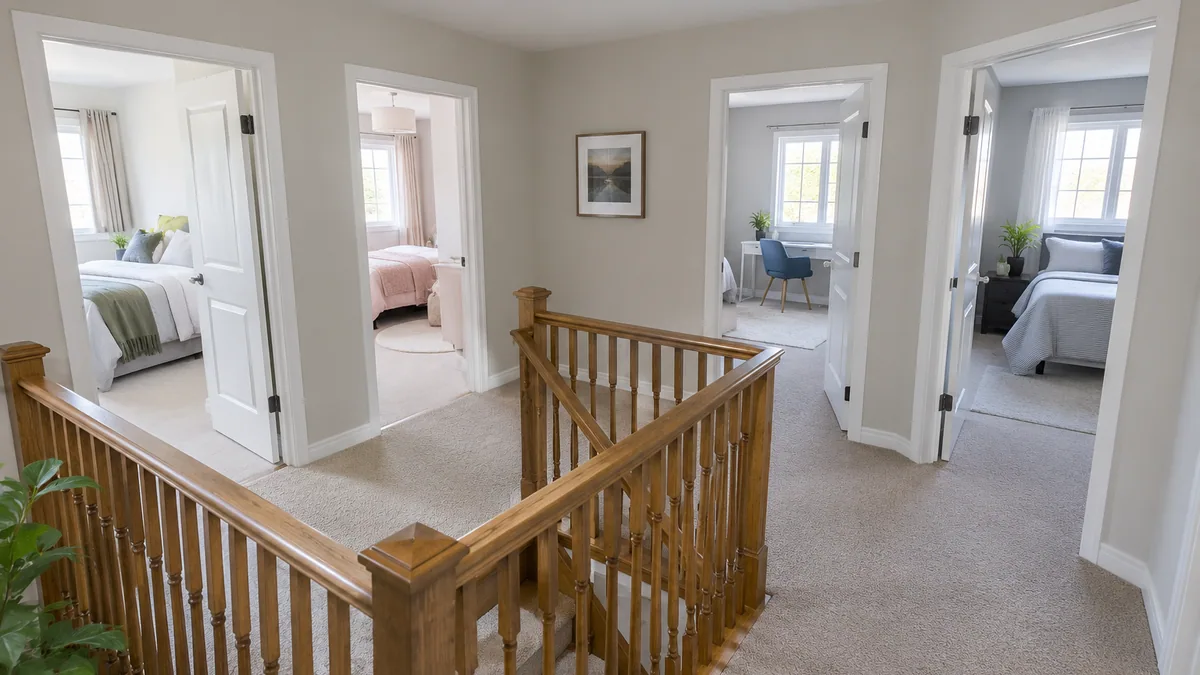
List who needs a bedroom and what each room must accommodate, but focus on physical requirements rather than assumptions about the occupants. A room used for sleeping may need a bed, storage and appropriate privacy; a work or study room may need reliable connectivity and separation from shared space. Ask for dimensions and confirm them at the viewing because listing photographs can make compact rooms appear larger.
Check shared space as well as all four rooms. Look at kitchen storage, dining space, bathrooms, entrances and noise between floors. Make sure the living area and stairs work for everyone.
Compare more Ottawa areas
A broader search may include established and growing parts of Nepean, Barrhaven, Kanata, Stittsville and Orléans as well as central neighbourhoods where larger or converted homes sometimes appear. This is a planning approach, not a statement that a four-bedroom house is currently available in each area. Use the live inventory page for that answer.
Test every address against regular trips. A larger suburban home may add space but also change transit, driving, cycling or winter walking time. A central house may reduce some trips while changing parking or outdoor-space expectations. Use current route planning at the hours you travel and include grocery, care, recreation and other routine destinations rather than checking only one commute.
Add up the rent and extra bills
Ask which of gas, electricity, water, hot-water equipment, parking and tenant insurance sit outside the rent. Heating and cooling a larger home can behave differently from an apartment, but no useful estimate comes from bedroom count alone. Request available historical or system information when appropriate, then budget conservatively for the actual home rather than using an unsupported Ottawa average.
Exterior arrangements also affect time and cost. Clarify lawn, snow, waste, driveway and seasonal tasks in the proposed agreement. Ask whether the garage, basement, shed, yard and every parking space shown are exclusively included. A complete comparison should include both money and work the occupants are expected to perform.
- Monthly rent and every separately paid utility
- Parking capacity and any additional charge
- Heating, cooling and hot-water equipment
- Snow, lawn, waste and other exterior arrangements
- Moving, insurance and basic household setup
Inspect the whole property, not only the bedrooms
At the viewing, follow the house from the exterior through every included level. Check doors, windows, water flow, ventilation, appliances and signs of current repair needs. Ask about the age and operation of heating or cooling equipment without making technical assumptions from appearance. Confirm whether any basement unit, storage area or exterior space is excluded or shared.
Walk from the parking area to the entrance. Think about snow storage, garbage collection and winter access. Check bathrooms, kitchen storage and busy shared areas. Get promised repairs and included features in writing.
Be ready when a home becomes available
Keep your application ready and decide which extras you can give up. Check listings regularly. Before sending a deposit, confirm the address, contact, condition, move-in date and lease terms. Take time to check the details even if few homes are available.
If no four-bedroom house is available, compare a larger townhouse or a three-bedroom home with extra usable space. Check that the extra space can be used as you need. Keep your must-haves the same.